Cat Illustrations: Graphics for Branding
When evaluating a new graphic design asset for an upcoming client project, my first criterion is always versatility. As a professional designer managing multiple brand identities, I cannot afford assets that look beautiful in a thumbnail but fail during production. Recently, while developing a visual concept for a boutique pet wellness brand, I tested this specific set of Cat Illustrations to determine if it could carry the weight of a full commercial launch. The initial impression was promising; the artwork possesses a distinct charm that balances playful energy with enough structural integrity to function in professional layouts. It immediately suggested a mood of warmth and approachability, which is often difficult to achieve without veering into overly juvenile aesthetics.
Evaluating Visual Mood for Boutique Branding
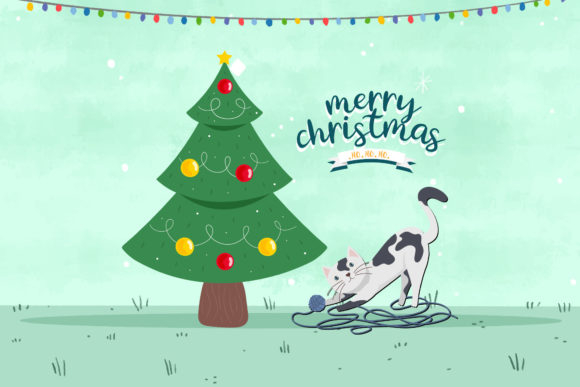
The primary challenge in small business branding is establishing trust while maintaining personality. For this particular client, we needed visuals that felt handcrafted yet polished. These Cat Illustrations succeeded because the line work and composition avoid the generic stiffness often found in stock libraries. The style leans toward a modern illustrative aesthetic that pairs exceptionally well with organic shapes and soft color palettes. When placed alongside our initial mood board, the graphics reinforced the narrative of care and companionship essential to the brand identity. This emotional resonance is critical; it transforms a simple digital product into a storytelling tool that connects with pet owners on a visceral level.
Technical Versatility Across Six File Formats
A major deciding factor for incorporating this asset into our workflow was the comprehensive file inclusion. Professional creative design requires adaptability, and having access to AI, EPS, SVG, DXF, JPG, and PNG files covers every conceivable use case. The canvas size of 1920 px by 1280 px provides a solid baseline resolution for digital applications, but the vector formats are where the true value lies for print production.
- AI and EPS Files: Essential for scaling up to large-format packaging design or signage without pixelation. I used the AI file to adjust stroke weights for a storefront window decal.
- SVG Design: Perfect for web design and responsive social media graphics. The clean paths ensured crisp rendering on high-DPI mobile screens.
- DXF File: A crucial inclusion for crafters and makers using Cricut projects or laser cutters, allowing for precise cutting lines.
- PNG Design: High-resolution transparency made compositing into Canva templates and marketing visuals instantaneous.
- JPG File: Useful for quick mockups and internal client presentations where file size matters more than editability.
This level of format diversity signals that the creator understands the practical needs of both digital sellers and traditional print designers.
Real-World Application in Packaging and Merchandise
In our test project, we pushed these illustrations across three distinct touchpoints to gauge performance. First, we applied them to packaging design for a line of artisanal cat treats. The illustration served as the hero graphic on the front of the pouch. Because the artwork has sufficient negative space, we were able to overlay the product name in a bold serif font without compromising legibility. The interplay between the organic illustration and structured typography created a sophisticated shelf presence that stood out against competitors using generic photography.
Next, we utilized the asset for print-on-demand merchandise, specifically tote bags and ceramic mugs. Here, the DXF and SVG files proved invaluable. The design translated beautifully to single-color screen printing, retaining its character even when stripped of color. For the mugs, we used the PNG version as a sublimation design, and the edges remained sharp after heat transfer. Finally, we integrated the graphics into Instagram carousel posts and Pinterest pins. The 1920x1280 dimension worked perfectly as a background element for text-heavy educational content, adding visual interest without competing with the headline copy.
Strategic Placement and Hierarchy Considerations
While versatile, this graphic design asset performs best when given room to breathe. It excels in large layout areas, hero sections on websites, and as a focal point for sticker design or wall art. However, designers must exercise caution in crowded compositions. Due to the inherent detail in the fur texture and facial expressions, reducing the illustration below two inches in width can cause visual muddiness, particularly in offset printing. It is not suitable for tiny favicon-style icons or dense data tables where visual hierarchy demands extreme simplicity.
Furthermore, consider the background contrast. While the PNG transparency is clean, placing intricate line work over busy photographic backgrounds can reduce readability. I recommend using solid color blocks or subtle gradients behind the illustration to maintain focus. In minimalist corporate materials, this asset may feel too whimsical unless heavily stylized or cropped to abstract elements. Always assess whether the playful tone aligns with the specific sector of your client’s industry before committing to the layout.
Essential Pre-Flight Checks for Commercial Use
Before finalizing any commercial design project, I run a rigorous quality assurance protocol. Even with guaranteed assets, verification protects both the designer and the client. Here is my checklist for integrating these Cat Illustrations into professional workflows:
- Contrast Testing: Always preview the design in grayscale. If the illustration relies solely on color to define form, it will fail in black-and-white printing or accessibility modes. Ensure the values hold up independently.
- Typography Pairing: Test the asset against various typefaces. We found it paired best with rounded sans-serifs and textured scripts. Sharp, geometric fonts sometimes clashed with the organic flow of the artwork.
- Mockup Validation: Never approve a design based on screen view alone. Place the illustration on realistic product mockups to check scale and proportion. What looks balanced on a 27-inch monitor may appear top-heavy on a standard business card.
- Vector Integrity: Open the SVG or AI file to inspect anchor points. Clean paths are necessary for editing. If you plan to recolor or modify elements, ensure the layers are organized and not flattened raster images disguised as vectors.
- Licensing Confirmation: Verify the commercial license terms specifically for your intended use. While this asset supports broad application, confirming rights for resale, NFT creation, or trademark registration prevents future legal complications.
Impact on Audience Engagement and Brand Trust
Ultimately, the decision to use this asset comes down to its effect on the end user. In our boutique campaign, the Cat Illustrations acted as a visual anchor that increased dwell time on social media and improved click-through rates on email newsletters. Authentic, high-quality illustrations signal to consumers that a brand invests in its presentation. They bridge the gap between mass-market efficiency and handmade intimacy. For Etsy sellers and creative marketplace vendors, this distinction is often the difference between a scroll-past and a sale.
The asset also supports consistency across diverse media. By using the same core illustration adapted through different file formats, we maintained a cohesive visual language from the website header down to the thank-you card included in shipping boxes. This repetition builds recognition and reinforces brand memory. Whether you are designing a seasonal campaign, a local event flyer, or a permanent product line, having a reliable, multi-format illustration library reduces production friction and elevates the perceived value of the final output.
For designers seeking a balance of artistic flair and technical reliability, this collection offers a robust foundation. It respects the practical constraints of modern production while delivering the emotional appeal necessary for pet-related branding. Just remember to respect the artwork’s complexity, verify your technical specs, and let the illustration lead the design rather than forcing it into unsuitable contexts. When used with intention, it transforms standard deliverables into memorable brand experiences.