Flower Pot Illustrations: Graphics for Digital Products
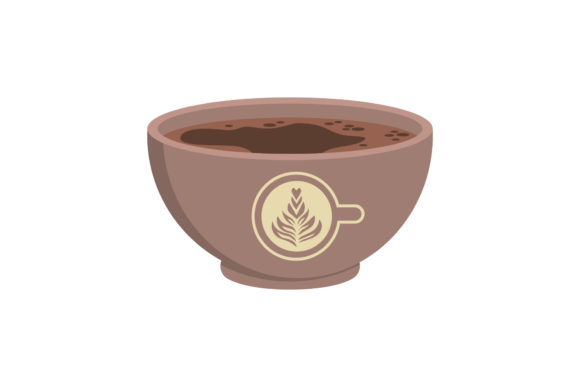
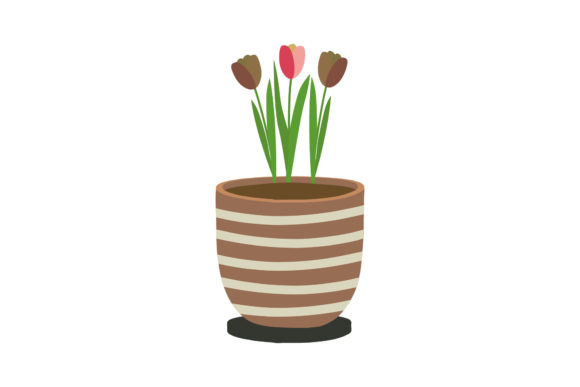
As a digital product creator constantly scouting for versatile assets, my first impression of the Flower Pot Illustrations Desain Vector was rooted in its immediate commercial viability. When evaluating a new graphic design asset for an Etsy shop or print-on-demand business, I look beyond aesthetic appeal to assess technical flexibility and niche relevance. This collection strikes a balance between organic charm and clean vector precision, making it highly suitable for the booming home decor and gardening niches. The visual personality leans towards a modern botanical aesthetic that feels both handmade and professional. It avoids being overly cartoonish, which broadens its appeal to adult crafters, small business branding projects, and premium stationery designers. For sellers targeting the spring and summer seasons, or those building evergreen plant-lover collections, these illustrations offer a strong foundation for profitable digital downloads.
Evaluating Technical Specs for Commercial Design
Before listing any asset for sale or use in merchandise, I verify the deliverables against industry standards. This package provides five digital files totaling a 1920px by 1280px canvas size, delivered in AI, EPS, SVG, and JPG formats. For commercial design workflows, this specific file mix is crucial. The inclusion of both AI and EPS files ensures that advanced users can modify anchor points, recolor elements, or separate layers in Adobe Illustrator without quality loss. This scalability is non-negotiable for large-format printing like tote bags or wall art.
The SVG file is perhaps the most critical component for the Cricut project and Silhouette community. In my testing workflow, I always open the SVG in cutting software to check for stray nodes or overlapping paths that could ruin a cut. A well-structured SVG design saves customers frustration and reduces support tickets. Meanwhile, the high-resolution JPG serves as an excellent base for quick mockups or for users who lack vector software but still need quality raster graphics. While a native PNG is not explicitly listed, the vector formats allow you to export transparent PNG designs at any resolution required for sublimation design or clipart bundles, giving you full control over the final output.
Profitable Applications Across Creative Marketplaces
The true value of this graphic design asset lies in its adaptability across different product categories. When planning a new collection for a creative marketplace, I envision these flower pot illustrations functioning as anchor elements in several revenue streams:
- Printable Wall Art: The 1920x1280 base canvas is ideal for landscape orientations. By manipulating the vector, you can create gallery wall sets or minimalist botanical prints that cater to modern interior design trends.
- Sublimation and POD: These illustrations are perfect for mug designs, tumbler wraps, and garden flags. The vector nature allows you to adjust colors to match specific brand palettes or seasonal themes without pixelation.
- Stationery and Packaging: Use the assets as decorative corners on greeting cards, wedding invitations, or thank-you notes. They add a premium, artisanal touch to packaging design and small business branding materials.
- Digital Planning and Journaling: Resize the elements to create functional sticker designs for digital planners. The clean lines ensure they remain legible even when scaled down for tablet screens.
- Canva Template Creation: Import the exported PNGs into Canva to build social media graphics or blog post templates for plant shops and lifestyle influencers. This expands your customer base to include content creators seeking cohesive visual hierarchy.
Optimizing Listing Images and Product Presentation
In the competitive landscape of Etsy products and digital downloads, your thumbnail determines your click-through rate. Flower Pot Illustrations Desain Vector excels in product presentation because of its distinct silhouette and balanced composition. When creating listing images, I recommend using the illustrations to demonstrate scale and application rather than just showing the raw file. Create composite mockups that show the design on a textured paper background, a ceramic mug, and a framed print simultaneously. This visual storytelling helps customers instantly understand the versatility of the asset.
For brand identity consistency, pair these illustrations with complementary typography. A serif font enhances the elegant, classic botanical feel, while a handwritten script adds a personal, DIY touch. Ensure your main thumbnail has high contrast; if the flower pots are dark, place them against a light cream or white background to maximize visibility in search results. Remember, perceived value drives sales. Professional mockups signal to buyers that this is a high-quality commercial license asset worth investing in.
Strategic Placement and Usage Limitations
While versatile, no single asset fits every scenario. Based on my experience selling design bundles, these illustrations perform best in medium-to-large applications where detail is visible. They shine as hero images in web banners, central motifs on apparel, or standalone art prints. However, caution is needed for tiny sticker details or intricate planner icons. At very small sizes, complex vector details may merge or become difficult to weed during physical crafting. Always test the minimum viable size before marketing the asset for micro-applications.
Additionally, consider color contrast carefully. If you plan to sell dark-mode compatible digital products, ensure you create light-colored variations of the illustrations. A dark green pot on a black background will disappear in thumbnails and fail to convert. For Cricut users, avoid marketing the design as a "single-cut" sticker if it contains multiple overlapping colors unless you provide a simplified contour version. Managing customer expectations regarding complexity prevents negative reviews and builds long-term trust in your handmade business.
Seller Checklist: Pre-Launch Verification Steps
Before adding Flower Pot Illustrations Desain Vector to your shop, run through this practical validation checklist to ensure a smooth launch:
- Test Print Colors: Screen colors often differ from CMYK print output. Print a sample on your target substrate (paper, fabric, vinyl) to verify color accuracy and saturation.
- Verify Transparency: Export a PNG from the AI/EPS file and place it over a busy pattern to confirm there are no accidental white bounding boxes or artifacts.
- Cut File Validation: Run a test cut on the SVG. Simplify paths if necessary and document any weeding tips to include as a bonus PDF guide for customers.
- License Compliance: Double-check the specific commercial license terms. Confirm whether you can sell end products, modified designs, or digital templates. Clear licensing protects your business and informs your buyers.
- File Organization: Rename files descriptively (e.g., "FlowerPot_Vector_SVG.svg" instead of "design_01.svg"). Organized delivery files reduce customer confusion and support requests.
- Font Pairing Test: Create three typographic variations (serif, sans-serif, display) to showcase styling options in your listing photos, inspiring buyers who may lack design confidence.
Ultimately, Flower Pot Illustrations Desain Vector represents a solid investment for digital sellers seeking to expand their botanical and home decor inventory. Its technical robustness combined with broad aesthetic appeal makes it a reliable workhorse for everything from printable design to merchandise creation. By approaching this asset with a strategic, test-driven mindset, you can transform simple vectors into a cohesive, profitable product line that resonates with crafters and entrepreneurs alike. Success in this space isn't just about having beautiful graphics; it's about understanding how those graphics solve problems and create value for your specific audience.