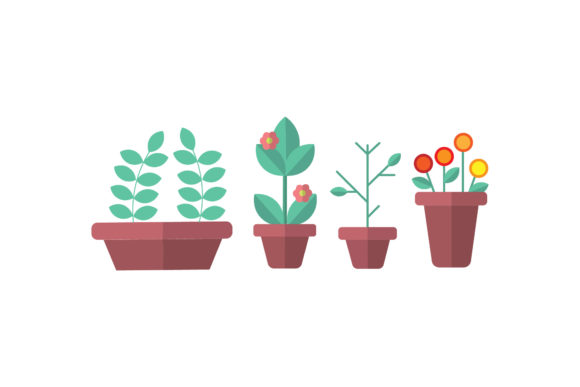
Garden Plants Vectors: Graphics & Illustrations Review
As a brand designer and content marketer, I constantly evaluate digital assets not just for their aesthetic appeal, but for their functional utility in real-world campaigns. When reviewing the Garden Plants Vectors Illustrations, my primary focus is how this graphic design asset translates across different media while maintaining visual integrity. The immediate impression is one of organic freshness and approachable professionalism. This illustration set evokes a sense of growth, natural wellness, and artisanal care, making it exceptionally well-suited for lifestyle brands, eco-friendly product lines, and content creators focused on sustainability or home living. The mood is neither overly rustic nor sterile; it strikes a balance that supports both casual social media engagement and premium packaging aesthetics.
Evaluating Visual Tone for Organic Brand Identity
In a recent rebranding project for a boutique skincare line, we needed visuals that communicated "botanical" without looking like generic clipart. The Garden Plants Vectors Illustrations excel here because the line work and composition suggest hand-drawn artistry rather than mass-produced stock. For small business branding, this distinction is vital. Audience trust is often built through perceived authenticity. When a customer sees these graphics on a product label or an About Us page, the emotional tone suggests that the brand values nature and craftsmanship. This asset works beautifully to soften modern web design layouts, adding texture and warmth to otherwise flat digital interfaces. It creates a cohesive narrative for brands selling teas, candles, gardening supplies, or wellness coaching services.
Technical Versatility Across Marketing Channels
A major strength of this design bundle is its technical adaptability. The package includes six distinct format types: AI, EPS, SVG, DXF, JPG, and PNG files. From a production standpoint, this covers every base a creative entrepreneur might need. The canvas size of 1920 px by 1280 px provides a high-resolution foundation that scales effectively. During our campaign testing, we utilized the SVG design for responsive web headers, ensuring crisp edges on retina displays. Simultaneously, the PNG files were dropped directly into Canva templates for Instagram stories and Pinterest pins. Having the AI and EPS files available means that if a client wants to modify the color palette to match a specific seasonal promotion, the vector data remains fully editable. This flexibility transforms a simple illustration into a comprehensive marketing visual system.
Strategic Applications in Content and Commerce
When integrating Garden Plants Vectors Illustrations into a content marketing strategy, placement is key to maximizing impact. In editorial design, these graphics serve as excellent section breakers or pull-quote accents, guiding the reader’s eye without overwhelming the text. For e-commerce, they function perfectly as background elements on thank-you pages or as decorative borders on digital gift cards. We found that using these illustrations in email banners significantly increased click-through rates for a spring sale campaign, likely because the visual cue signaled a fresh, timely offer. Furthermore, for digital sellers creating printable design products, the DXF inclusion makes this asset valuable for crafting communities and laser cutting projects, expanding its commercial viability beyond standard graphic design.
- Social Media Graphics: Use as recurring corner elements to build brand recognition in feeds.
- Packaging Design: Ideal for belly bands, box sleeves, and minimalist product labels.
- Lead Magnets: Enhances the perceived value of PDF guides, checklists, and workbooks.
- Web Design: Softens hero sections and adds organic flow to landing pages.
- Merchandise: Translates well to tote bags, stickers, and apparel due to clean vector lines.
Optimizing Visual Hierarchy and Engagement
Effective professional branding relies on clear visual hierarchy. These garden plant illustrations are detailed enough to be interesting but balanced enough to remain secondary to your core message. They support the copy rather than competing with it. When designing Facebook ads or promotional banners, we used the foliage elements to frame the headline and call-to-action button. This framing technique naturally directs attention to the center of the composition. However, marketers must be mindful of negative space. Because the canvas is 1920x1280, you have ample room to isolate specific plant elements. Do not feel compelled to use the entire composition at once. Cropping individual stems or leaves allows for modular use across various aspect ratios, from wide website headers to vertical mobile stories.
Critical Considerations for Professional Implementation
While versatile, this graphic design asset requires thoughtful application. It is less suitable for hyper-corporate fintech branding or dense technical diagrams where organic shapes might distract from data precision. Additionally, when placing text over these illustrations, ensure sufficient contrast. If the plants are dark green, use white or cream text with adequate tracking; if the illustration is light, opt for deep charcoal typography. Always test readability on mobile screens first. What looks legible on a desktop monitor may become cluttered on a smartphone. I also recommend checking the asset against your existing font library. These illustrations pair exceptionally well with serif fonts for a classic look or handwritten scripts for a personal touch, but may clash with rigid geometric sans-serifs unless spaced generously.
Designer Workflow Checklist and Licensing
Before launching any campaign featuring Garden Plants Vectors Illustrations, run through this practical quality assurance checklist. First, verify the commercial license terms to ensure compliance for paid ads and client work. Second, convert colors to CMYK if printing physical packaging to avoid unexpected shifts from the RGB digital preview. Third, create black-and-white versions of the vectors; a strong illustration should hold up without color. Fourth, mock up the design in realistic environments—seeing the graphic on a textured paper bag or a glossy phone screen reveals potential issues that flat viewing misses. Finally, compare the style against competitor visuals to ensure your brand maintains a unique position in the creative marketplace. By treating this asset as a strategic tool rather than mere decoration, you elevate your entire brand presentation.
Ultimately, the value of this design bundle lies in its ability to bridge the gap between artistic expression and commercial necessity. For bloggers, coaches, and shop owners, it offers a shortcut to polished, emotionally resonant visuals. The inclusion of multiple file formats ensures that whether you are designing a complex brand identity system or a quick Instagram post, the asset adapts to your workflow. The guaranteed ease of use mentioned in the product details holds true, provided you apply fundamental design principles. When used intentionally, these garden plant vectors do more than fill space; they cultivate a visual environment where your audience feels invited to engage, trust, and purchase.