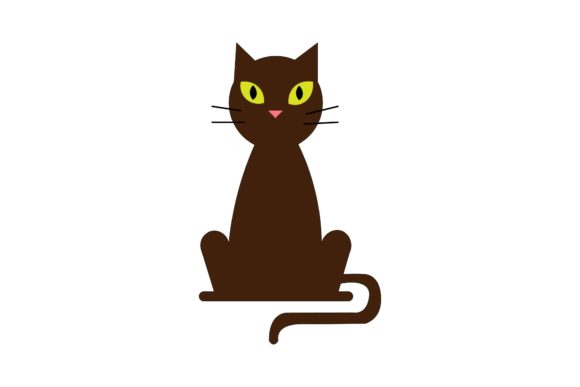
Halloween Cat Brown Illustrations: A Stitcher's Review
As an embroidery designer who has spent years digitizing and testing graphics for real-world production, I approach every new asset with a critical eye. When evaluating the Halloween Cat Brown Illustrations, my first thought isn't just about how cute the graphic looks on a screen; it is about how those brown tones and feline contours will translate into thread on fabric. This design package offers a specific aesthetic that bridges the gap between spooky seasonal decor and cozy autumn warmth. For makers, Etsy sellers, and apparel decorators, understanding the practical application of these illustrations is the difference between a failed test stitch and a best-selling holiday product.
First Impressions and Seasonal Versatility
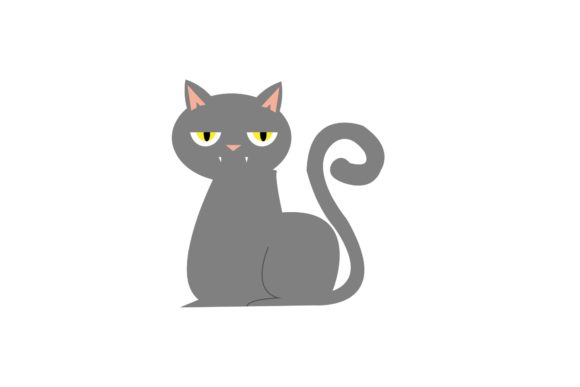
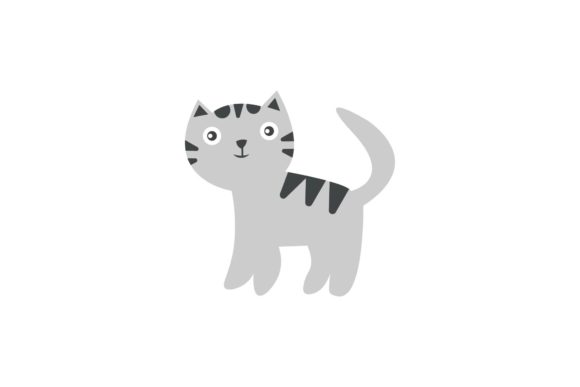
The immediate strength of the Halloween Cat Brown Illustrations lies in their color palette and mood. Unlike traditional Halloween graphics that rely heavily on stark oranges, blacks, and neon greens, this brown-centric illustration evokes a vintage, rustic, or "cottagecore" Halloween vibe. From a design perspective, this is incredibly valuable. It allows the artwork to transition seamlessly from a specific October 31st novelty item to a broader fall season staple. The visual personality feels nostalgic rather than aggressive, making it suitable for a wider demographic, including adult fashion and home decor that might shy away from cartoonish spookiness.
When I look at the composition, I am assessing line clarity and shape definition. For a machine embroidery design to succeed, the source graphic must have distinct boundaries. These illustrations appear to offer solid shapes that are conducive to both fill stitch areas and clean satin stitch borders. The 1920 px by 1280 px canvas size provided in the digital assets is excellent for creating high-quality printable mockups, but as stitchers, we must always verify how these vector or raster lines convert when scaled down for a 4x4 hoop or up for a jacket back.
Real-World Application: The Autumn Tote Bag Test
To truly judge the viability of this design, let’s walk through a real-life production scenario. Imagine you are preparing a custom embroidered tote bag for a fall craft fair or an Etsy listing. You want to create a reusable shopping bag that customers will actually use throughout October and November, not just on Halloween night. I would select one of the brown cat illustrations and pair it with a natural canvas or cream-colored linen tote.
In this context, the brown tones of the illustration provide necessary contrast against the light fabric without being harsh. If I were stitching this out, I would likely utilize a combination of techniques. The main body of the cat could be executed as an applique design to reduce stitch density and add textural interest, while the facial features and whiskers would require precise running stitch or satin stitch details. Because the illustration has a warm, earthy tone, using variegated threads in rust, chocolate, and gold would enhance the handmade product feel, elevating it above mass-produced merchandise. This specific application highlights why having access to multiple file formats like AI, EPS, SVG, DXF, JPG, and PNG is so beneficial; it allows you to manipulate the artwork in your embroidery software to create custom color stops or modify elements specifically for textile application.
Navigating Fabric Choices and Technical Constraints
While the Halloween Cat Brown Illustrations are versatile, they demand careful consideration regarding fabric texture and stabilizer choice. Brown thread on dark fabric can sometimes disappear visually. If you are planning sweatshirt embroidery on a charcoal or navy fleece, you must ensure there is enough value contrast. In such cases, adding a cream or gold outline via satin stitch can help the brown cat pop against the dark background. Conversely, on white or very light fabrics, the brown illustration will stand out beautifully, but you must watch for show-through if the stitch density is too high.
I advise caution when applying this design to stretchy knits or textured terry cloth without proper preparation. Detailed illustrations with fine lines can get lost in the pile of a towel or distorted on a ribbed knit. Always use the appropriate stabilizer—a cut-away for knits and a tear-away or wash-away for wovens—to maintain the integrity of the graphic. Furthermore, if you are considering baby embroidery or items for sensitive skin, check the stitch count and density. Large, dense fill areas can make a garment stiff and uncomfortable. For baby onesies or bibs, consider simplifying the illustration or using a lighter stitch type to keep the finished product soft and wearable.
Commercial Viability for Small Business Owners
For creative entrepreneurs and small shop owners, time is money. The Halloween Cat Brown Illustrations offer significant commercial potential because they solve a specific market need: sophisticated fall merchandise. When creating digital embroidery files for sale or finished goods for retail, professionalism is key. The inclusion of high-resolution JPG and PNG files alongside vector formats means you can create cohesive branding across platforms. You can use the 1920x1280 images for website banners, social media posts, and printable mockups before you even thread a needle.
However, a crucial note for any Etsy seller or commercial embroidery business: always confirm your licensing rights. While the product description guarantees the design is easy to use, you must verify whether the license covers selling finished physical products, digital embroidery files, or both. Never assume. Protecting your business means respecting intellectual property and ensuring you have the right to monetize these design assets. Additionally, when listing finished products, use the high-quality source images to show customers what the design looks like in its pure form, but always supplement with photos of actual stitched samples to build trust and manage expectations regarding texture and scale.
Essential Designer Notes for Success
Before you commit these illustrations to your final project, follow this practical checklist to ensure professional results:
- Test Stitch First: Never run a production batch without a test sew-out on scrap fabric that matches your final project. Check for registration issues between color changes.
- Evaluate Thread Contrast: View your thread selection in natural lighting. Brown threads can look vastly different under store lights versus daylight. Ensure the cat’s features remain distinct.
- Check Hoop Compatibility: Verify that the design dimensions fit within your machine’s maximum embroidery area. If resizing is necessary, do so in your digitizing software, not just by stretching the file, to preserve stitch density ratios.
- Inspect Small Details: Zoom in on the digital file. Are the whiskers or eyes too thin for a standard needle? You may need to thicken running stitch lines slightly to prevent thread breaks or sinking into the fabric.
- Mockup Testing: Use the provided PNG or JPG to test black-and-white contrast. If the design looks muddy in grayscale, it may lack sufficient value variation for embroidery.
- Stabilizer Matching: Match your stabilizer weight to the fabric and the design density. Heavy illustrations on light fabric require heavier support to prevent puckering.
Final Thoughts on Value and Presentation
The Halloween Cat Brown Illustrations represent more than just a seasonal graphic; they are a flexible asset for makers who value aesthetic cohesion and technical quality. Whether you are crafting a personalized gift for a cat lover, stocking your boutique with unique holiday embroidery, or expanding your digital design catalog, these illustrations offer a warm, inviting alternative to standard Halloween fare. By approaching this design with technical mindfulness—respecting fabric limitations, verifying licenses, and testing thoroughly—you transform a simple digital file into a tangible, high-value product that resonates with customers and showcases your craftsmanship. Remember, in the world of embroidery and handmade goods, the success of the finished product relies entirely on the intentionality of the maker.