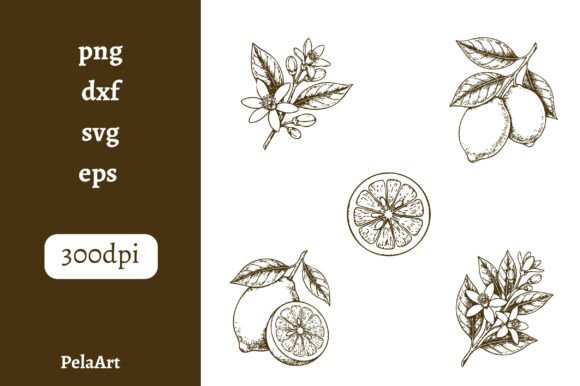
Vintage Lemon Illustrations: Editorial Graphics Review
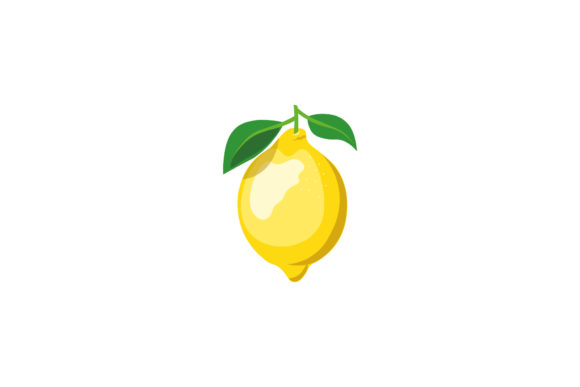
As a digital publisher who has designed hundreds of blog layouts and content assets, I approach every new graphic design asset with a specific question: will this actually perform in a live editorial environment? When I first opened the file for Vintage Lemon Illustrations, the immediate impression was one of refined nostalgia. This is not a generic clip-art pack; it is a curated set of five hand-drawn botanical studies that carry genuine weight. The aesthetic is distinctly classic, featuring detailed line art that feels intentional rather than decorative. For publishers in the lifestyle, culinary, wellness, or sustainable living niches, these illustrations establish an immediate mood of organic authenticity. They signal to the reader that the content within is thoughtful, crafted, and trustworthy.
In my current workflow, I am preparing a series of seasonal content upgrades and affiliate posts focused on natural home products. The challenge with botanical graphics is often finding a balance between artistic beauty and commercial utility. These high-quality citrus graphics strike that balance effectively. They possess enough intricate detail to serve as standalone focal points in a website header, yet they retain enough negative space to accommodate headline text without causing visual clutter. This versatility is critical for maintaining a cohesive brand identity across different content formats while ensuring the visuals support, rather than distract from, the written message.
Elevating Blog Graphics and Pinterest Strategy
The most immediate application for this asset pack is in blog graphics and social promotion. In testing these illustrations for featured images, I found that the vintage line work creates a sophisticated backdrop that increases perceived value. When paired with a muted color palette and elegant serif typography, the resulting image feels like a page from a high-end print magazine rather than a standard web post. This distinction matters for click-through rates. Readers are increasingly blind to stock photography, but hand-drawn elements arrest attention because they feel bespoke.
For Pinterest pin creation, these illustrations are particularly effective. Pinterest favors vertical imagery with clear focal points and warm aesthetics. The lemon motif naturally aligns with search intent for recipes, cleaning tips, and summer lifestyle content. I successfully integrated one of the larger lemon illustrations into a Canva template for a "Natural Kitchen Guide" lead magnet. The detailed line art provided enough texture to prevent the design from looking flat on mobile screens, which is a common failure point for minimalist graphics. By using these illustrations as anchor elements, you can create a consistent visual thread across your pins that reinforces brand recognition in the feed.
Strengthening Visual Hierarchy in Digital Products
Beyond social media, these assets shine in long-form editorial design and downloadable resources. When designing a digital guide or eBook, maintaining reader engagement through white space and visual breaks is essential. The five distinct variations in this set allow for rhythmic placement throughout a document without repetitive fatigue. I used the smaller lemon accents as section dividers in a 20-page PDF worksheet, and they functioned perfectly as wayfinding markers that kept the layout feeling airy and organized.
This utility extends to content marketing materials like media kits and newsletters. A well-placed vintage illustration in an email header can soften the tone of promotional content, making affiliate marketing messages feel more personal and less transactional. For small business branding, especially those selling physical goods or courses related to holistic living, these graphics provide a cost-effective alternative to custom commission work. They offer the polish of professional illustration with the flexibility of a digital download, allowing creators to elevate their printable design products instantly.
Where to Exercise Caution in Web Design
While versatile, this graphic design asset requires strategic placement. During my review, I tested the illustrations against various background colors and layout densities. The detailed line art, while beautiful, can lose definition when scaled down too aggressively. On mobile thumbnails where the image width drops below 300 pixels, the finer strokes may blur or disappear entirely. Publishers must test these assets at actual display sizes before committing them to a site-wide category icon system.
Furthermore, context is paramount. These illustrations carry a soft, feminine, and historical energy. They would likely clash with ultra-modern tech blogs, corporate finance sites, or dark-mode interfaces that rely on neon or high-contrast neon aesthetics. If your website utilizes a busy patterned background or heavy drop shadows, the delicate nature of these lemons will be overwhelmed. They demand clean space and respectful contrast. I also advise against using them in text-heavy hero sections unless the text is carefully kerned and positioned in the clear negative space. Overcrowding these illustrations diminishes their premium feel and reduces readability.
Publisher Notes: Technical and Licensing Checks
Before integrating Vintage Lemon Illustrations into monetized projects, run through this practical checklist to ensure professional results:
- Contrast Testing: Always preview the line art against your specific brand background colors. If the lines are too faint on a light background, consider adjusting opacity or adding a subtle outer glow in your editing software.
- Typography Pairing: Test the graphics beside your primary fonts. These illustrations pair exceptionally well with traditional serifs and organic handwritten scripts but may look disjointed next to geometric sans-serifs or industrial display fonts.
- File Optimization: Although these are high-resolution files, web performance matters. Convert PNGs to WebP format for blog use to maintain crisp edges while reducing load times. Keep original high-res files for printables and digital products.
- Licensing Verification: Confirm the commercial license terms specifically for your use case. If you plan to use these in a Canva template intended for resale or as part of a paid course, ensure the license covers derivative commercial products.
- Mobile Preview: Never assume desktop scaling translates to mobile. Check how the illustration looks as a thumbnail in your blog archive and social share previews to ensure key details remain visible.
Ultimately, Vintage Lemon Illustrations represent a strong investment for creators who understand that visual communication is about more than just decoration. It is about signaling quality and building trust through consistent, thoughtful design. Whether you are refreshing a blog’s visual identity, creating a new lead magnet, or seeking to improve the clickability of your affiliate content, this asset pack offers the professional polish necessary to compete in today’s saturated creative marketplace. By treating these illustrations as integral components of your editorial strategy rather than mere afterthoughts, you enhance both the aesthetic appeal and the functional performance of your digital publishing efforts.