Animal Illustrations Vector: An Embroidery Review
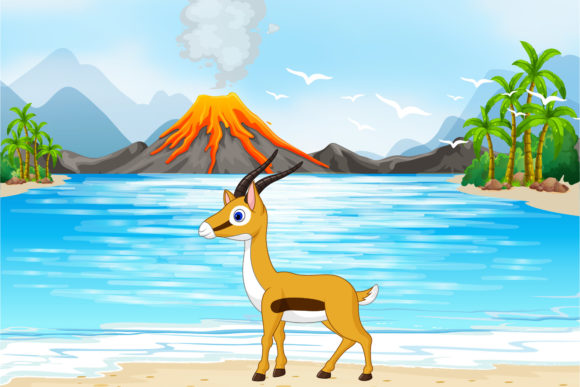
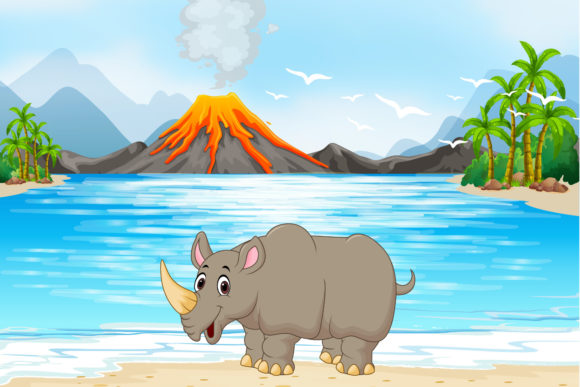
As a professional designer who spends just as much time behind an embroidery machine as I do in Adobe Illustrator, I approach every new graphic asset with a specific question: will this actually stitch well? When evaluating the Animal Illustrations Vector pack, my focus shifts immediately from screen aesthetics to needle performance. This collection offers five digital files at a 1920px x 1280px canvas size, delivered in AI and EPS formats. While these are vector graphics rather than pre-digitized machine embroidery designs, they serve as the critical blueprint for creating high-quality custom apparel, patches, and handmade products. For Etsy sellers, craft business owners, and apparel decorators, understanding how these illustrations translate from screen to fabric is the difference between a professional finished product and a frustrating unpicking session.
First Impressions: Visual Personality and Stitch Potential
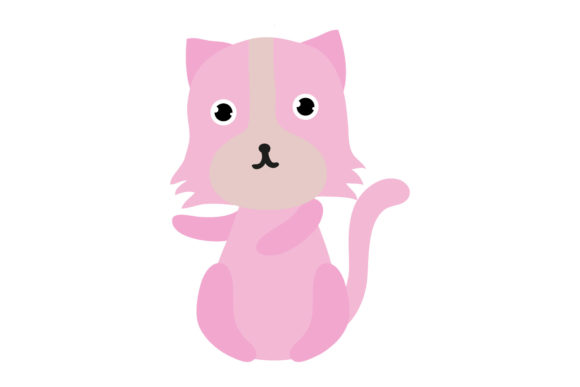
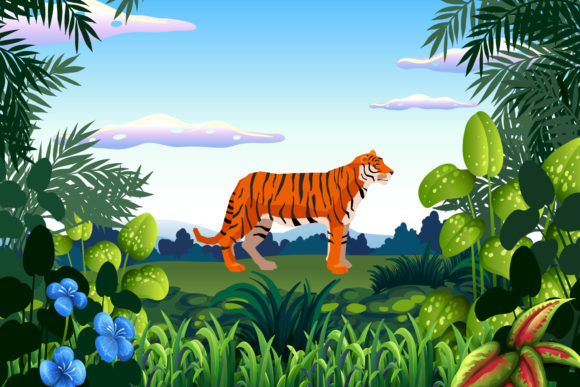
Upon opening the AI and EPS files, the first thing I assess is the line quality and shape definition. These Animal Illustrations Vector files present clean, scalable lines that are essential for digitizing. In the world of embroidery, ambiguity is the enemy. A vague watercolor wash might look beautiful on a website banner, but it creates chaos when converted to satin stitch or fill stitch areas. These illustrations, however, offer distinct boundaries. The visual mood feels versatile—neither too juvenile nor overly complex—making them suitable for a wide demographic ranging from baby embroidery projects to boutique merchandise for adults.
The 1920px x 1280px canvas provides ample resolution for tracing and digitizing without pixelation. When I zoom in to inspect potential problem areas like ears, tails, or facial features, the vectors remain crisp. This clarity is vital when planning stitch density. Sharp vector corners allow for precise mitering in satin stitches, while smooth curves suggest where running stitch outlines can guide placement. As graphics, they possess a charm that invites texture; I can easily visualize these translating into textured fill stitches for a sweatshirt embroidery project or clean appliqué designs for a tote bag design.
Real-World Application: Designing a Custom Tote Bag
To truly evaluate the utility of this asset, I mentally walked through a recent client request: a series of personalized canvas tote bags for a local animal shelter fundraiser. This scenario tests the design’s adaptability, durability, and commercial appeal. Using one of the animal illustrations from this vector pack, I considered how it would function as the centerpiece of the bag.
Canvas is a forgiving fabric texture, but it requires confident stitching. Because these are vectors, I could scale the animal illustration to fit a 5x7 hoop size perfectly without losing edge integrity. For this project, I envisioned converting the main body of the animal into an applique design to reduce stitch count and keep the bag lightweight, while using the vector lines to create detailed running stitch features for the face. The result is a handmade product that looks intentional and professional rather than dense and stiff. For an Etsy seller or small shop product, this balance is crucial. Customers want the tactile feel of embroidery without the bulletproof vest effect of excessive fill stitch. These illustrations provide the structural confidence needed to execute that balance, ensuring the final embroidered patch or direct-to-garment embroidery feels premium and gift-worthy.
Navigating Fabric Limitations and Hoop Constraints
While the Animal Illustrations Vector pack is versatile, practical experience dictates caution in certain applications. Vectors are perfect, but fabric is not. If you plan to use these designs on stretchy knits or thin performance wear, the clean lines of the vector must be adapted during digitizing to account for fabric push and pull. A straight vector line may stitch as a bow on polyester jersey if proper compensation isn't applied. Always test your digitized version on scrap fabric that matches your final project material before committing to production.
I also advise careful consideration when working with small hoop sizes or intricate details. While the source graphics are high-resolution, physics limits what a needle can achieve. Tiny elements within the animal illustrations, such as whiskers or fine fur textures, may need to be simplified or omitted entirely for smaller formats like cap embroidery or left chest logos. On curved surfaces like hats, large solid areas derived from these vectors can cause registration issues. In these cases, utilizing the vector shapes to create open, airy designs or relying on running stitch art often yields better results than attempting to force a dense fill stitch onto a curved, unstable surface. Dark fabrics also present a challenge; ensure your thread colors contrast sufficiently against the background, as the subtle nuances visible in the digital file may get lost in physical stitching unless highlighted with strategic underlay or contrasting top thread.
Elevating Brand Value and Customer Trust
For creative entrepreneurs and digital product sellers, the quality of your base assets directly influences buyer engagement and perceived value. Using professional-grade illustrations like these signals to customers that you care about the foundation of your work. Whether you are selling finished custom apparel or offering printable mockups for your own digital embroidery file listings, the crispness of the original art matters. Blurry or amateurish source graphics lead to muddy embroidery and low-conversion listing photos.
These Animal Illustrations Vector files support brand consistency across different mediums. You can use the same vector asset to create a cohesive line of holiday embroidery gifts, nursery decor, and matching tea towels. This recognition builds trust; customers begin to associate that specific artistic style with your shop’s quality. Furthermore, because you receive editable AI and EPS files, you have the freedom to modify elements to suit specific personalization requests—adjusting a pose or combining elements—without compromising quality. This flexibility is invaluable for commercial embroidery businesses handling bespoke orders where "off-the-shelf" designs simply won't suffice.
Essential Designer Notes for Success
Before you load your hoop or finalize your digitizing software, keep these practical reminders in mind to ensure the best possible outcome with this asset:
- Verify Licensing: Always confirm the specific license terms included with the Animal Illustrations Vector pack. Ensure you have the right to sell finished products or use the graphics in commercial embroidery projects before listing items in your shop.
- Test Stitch Density: Vectors define shape, not stitch type. When digitizing, check that your fill stitch and satin stitch densities are appropriate for your chosen stabilizer and fabric weight to prevent puckering.
- Mockup in Black and White: Before selecting thread colors, view your digitized design in grayscale. This reveals whether the values in the illustration hold up without color reliance, ensuring clarity in the final stitched product.
- Stabilizer Selection: Match your stabilizer to both the fabric and the design density derived from these vectors. A complex animal illustration may require cut-away stabilizer even on stable cotton to maintain shape over time.
- Check Small Details: Inspect the vector nodes. Sometimes vectors contain unnecessary anchor points that can cause jagged stitches if auto-traced. Smooth out paths in your vector software before importing to your embroidery digitizing program.
- Contrast Testing: If creating baby embroidery or items for children, verify that thread colors meet safety and visibility standards. Test light threads on dark fabrics and vice versa to ensure the design reads clearly from a distance.
Ultimately, the Animal Illustrations Vector pack serves as a robust starting point for makers who understand that great embroidery begins with great art. By treating these files as professional blueprints rather than instant solutions, you leverage their full potential to create durable, beautiful, and marketable embroidered goods. Whether you are crafting a personalized gift or scaling your craft business, respecting the translation process from vector to stitch ensures your work stands out in a crowded marketplace.