Halloween Moon Vector Illustrations: An Embroidery Review
As a professional designer who spends more time behind an embroidery machine than a computer screen, I approach every new graphic asset with a specific question: will this actually stitch out well? When evaluating the Halloween Moon Vector Illustrations for potential use in my shop and client projects, I looked past the digital preview to assess its viability as a tangible, stitched product. These illustrations carry a distinct atmospheric weight that immediately suggests autumnal merchandise, but translating vector graphics into thread requires a critical eye for detail, density, and fabric compatibility.
First Impressions and Seasonal Atmosphere
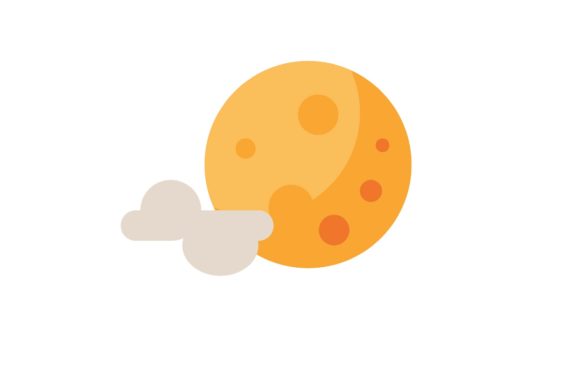
The visual personality of these Halloween Moon Vector Illustrations strikes a balance between spooky and sophisticated. Unlike cartoonish clip art that limits your market to children’s wear, this design set possesses a moody elegance suitable for adult apparel and home decor. The composition utilizes negative space effectively, which is a massive advantage for embroidery. In digital graphics, solid blocks of color are common, but in machine embroidery design, those same blocks translate to high stitch counts and stiff fabric. Fortunately, the aesthetic here leans into silhouettes and clean lines, suggesting that the digitizing process can remain lightweight while retaining visual impact.
For an Etsy seller or small shop product creator, this mood is essential. Customers buying holiday embroidery are often looking for items that feel curated rather than generic. The 1920 px X 1280 px canvas size provided in the source files offers ample resolution for creating high-quality printable mockups, allowing you to showcase the design on sweatshirts or tote bags before committing to a physical sample. This visual clarity helps build buyer confidence and sets accurate expectations for the finished product.
Real-World Application: The Custom Tote Bag Test
To truly understand how these illustrations perform, I mentally mapped them onto a real-life project: a custom embroidered tote bag intended for fall farmers' markets. Canvas tote bags are a staple handmade product, but they present unique challenges due to their textured weave. A design with too much running stitch detail can get lost in the fabric texture, while excessive fill stitch can cause puckering on unlined canvas.
In this scenario, the Halloween Moon Vector Illustrations serve as an excellent focal point. Because the graphics are available in AI, EPS, SVG, DXF, JPG, and PNG formats, I have the flexibility to isolate specific elements. For a tote bag, I would likely utilize the moon silhouette as a large applique design base, using a satin stitch border to secure the fabric edge. This technique reduces overall stitch density compared to a fully filled area, keeping the bag soft and pliable. The accompanying smaller elements could be used as decorative accents near the handles or pockets, adding value without overwhelming the structural integrity of the bag.
This application extends beyond bags. For sweatshirt embroidery, the design works beautifully centered on the chest or placed subtly on the cuff. The clean vectors allow for easy resizing, which is crucial when adapting a single design asset for both adult hoodies and baby embroidery sizes. However, when scaling down for infant onesies or caps, one must be vigilant about maintaining stitch clarity.
Navigating Fabric Constraints and Technical Limits
While the versatility of these illustrations is a strong selling point, there are specific environments where caution is required. As with any digital embroidery file converted from vector art, the success depends heavily on proper digitization parameters. If you are digitizing these yourself or purchasing a pre-digitized version based on these graphics, pay close attention to the following constraints:
- Stretchy Fabrics: On knit t-shirts or performance wear, large solid areas from the moon illustration can cause distortion. Always use appropriate stabilizer, such as cut-away mesh, to support the stitch structure.
- Small Hoop Sizes: Intricate details within the moon phases may not register clearly in 4x4 hoops. Simplify the design or increase the size to ensure the satin stitches do not merge into a muddy blob.
- Dark vs. Light Fabrics: These illustrations rely on contrast. On dark fabrics, ensure your thread colors provide sufficient pop. Conversely, on white fabrics, consider whether the design needs a background element to prevent it from looking washed out.
- Curved Surfaces: When placing this design on caps or curved sleeves, verify that the horizontal alignment remains true. Wide moon shapes can appear distorted on cylindrical surfaces if not compensated for during digitizing.
Furthermore, because the product description guarantees the design quality but does not specify exact stitch counts or licensing terms for commercial embroidery, it is imperative to verify these details before selling. Confirm whether you are purchasing the right to sell finished products or just the digital assets. This due diligence protects your craft business and ensures you are operating ethically within the maker community.
Elevating Product Value and Brand Consistency
Using cohesive design assets like the Halloween Moon Vector Illustrations helps establish brand recognition. When customers see a consistent aesthetic across your tea towels, pillow covers, and custom apparel, it signals professionalism. High-quality graphics translate to high-quality embroidery when handled correctly. The clean lines of these vectors reduce the risk of jagged edges or poor registration in the final stitch-out, which directly impacts customer trust.
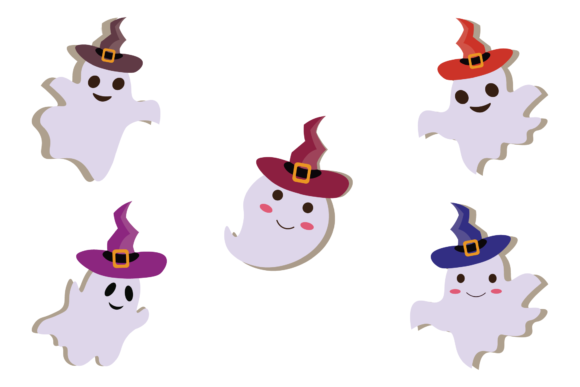
For those creating personalized gifts, these illustrations offer a neutral yet thematic backdrop that pairs well with monograms or custom text. A pumpkin or ghost might be too specific for some recipients, but a stylized moon is universally appealing for fall holiday embroidery. This broadens your potential market, making the design a safer investment for inventory planning. Whether you are producing boutique branding materials or one-off holiday gifts, the adaptability of these graphics supports diverse revenue streams.
Essential Designer Notes for Successful Execution
Before loading these files into your software or sending them to production, adhere to these practical steps to ensure the best possible outcome for your embroidery project:
- Test Stitch First: Never run a new design on a final product without testing on scrap fabric that matches your target material's weight and texture. Check for puckering, thread breaks, or alignment issues.
- Verify Format Compatibility: While AI and EPS are great for editing, ensure your embroidery machine or digitizing software reads the vector data correctly. Sometimes converting to DXF or SVG preserves curves better depending on your platform.
- Assess Thread Contrast: View the design in black and white mode in your software to check value contrast. If the moon blends into the background in grayscale, it will lack definition in thread.
- Check Licensing: Reiterate the importance of reading the full license agreement included with the download. Ensure "commercial use" covers both physical products and digital resale if that is your intent.
- Mockup Realistically: Use the high-resolution PNG or JPG files to create printable mockups that accurately represent thread sheen and texture. Avoid flat, digital-only previews that mislead buyers about the tactile nature of the finished product.
Ultimately, the Halloween Moon Vector Illustrations represent a valuable resource for makers who understand the translation from screen to stitch. They offer the aesthetic foundation necessary for successful seasonal merchandise, provided they are treated with the technical respect that machine embroidery demands. By combining these beautiful graphics with proper stabilizer choices, thoughtful placement, and rigorous testing, you can create handmade products that stand out in a crowded marketplace and delight customers with their quality and charm.