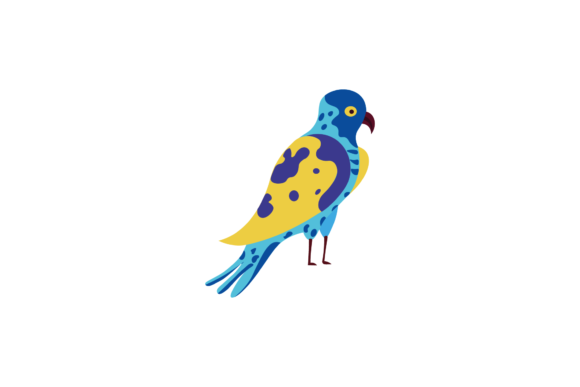
Bird Exotic Illustrations Vector: An Embroidery Review
As a professional embroidery designer and product reviewer, I approach every new graphic asset with a specific question: will this actually stitch out beautifully on fabric? When evaluating the Bird Exotic Illustrations Vector, my focus shifts immediately from screen aesthetics to needle performance. This collection of illustrations offers a distinct visual personality that feels lush and organic, but translating digital graphics into a tangible machine embroidery design requires careful consideration of line weight, detail density, and fabric compatibility. For Etsy sellers, craft business owners, and makers looking to expand their inventory, understanding how these vectors behave in real-world applications is the difference between a bestseller and a production headache.
First Impressions: Mood and Visual Weight
Upon opening the files, the first thing that stands out is the artistic flow of the Bird Exotic Illustrations Vector. Unlike rigid, geometric clip art, these illustrations possess a natural curvature that mimics hand-drawn ink work. The mood is undeniably botanical and whimsical, making it an ideal candidate for personalized gifts and nature-inspired custom apparel. The canvas size of 1920 px x 1280 px provides ample resolution for digitizing without pixelation, which is crucial when defining small feather details or beak textures.
From a design perspective, the balance between positive and negative space is excellent. This is vital for embroidery because solid blocks of heavy fill stitch can distort fabric, while too much open space can make a design look sparse after washing. These illustrations strike a middle ground that suggests they were created with decorative arts in mind. For a handmade product lineup, this aesthetic communicates quality and intentionality rather than generic mass production. Whether you are creating nursery decor or boutique branding, the visual language here supports a premium price point.
Real-World Application: The Linen Tote Bag Test
To truly evaluate this asset, I mentally placed it onto a specific project: a custom embroidered linen tote bag intended for a summer market collection. Tote bags are a staple small shop product, but linen’s textured weave can swallow fine details. In this scenario, the Bird Exotic Illustrations Vector performs exceptionally well because the line work is bold enough to withstand the fabric texture.
For this tote bag design, I would utilize the SVG or EPS file to create a combination of satin stitch outlines and light running stitch interior details. The exotic bird motif serves as a strong focal point on the center panel. Because the vector lines are clean, digitizing software can easily interpret them into smooth stitch paths without excessive jump stitches. This efficiency matters for commercial embroidery where run time equals profit. Furthermore, the organic shape allows for flexible placement; unlike a square logo, this illustration can curve slightly with the bag’s drape, maintaining its elegance even when the tote is filled with groceries or beach gear. Customers react positively to this level of integration, perceiving the finished product as high-end artisan wear rather than a stamped-on decoration.
Navigating Fabric Limitations and Hoop Constraints
While versatile, the Bird Exotic Illustrations Vector demands respect regarding substrate selection. Not all fabrics are created equal, and not every iteration of this design will suit every material. Here is where practical judgment must override digital perfection:
- Stretchy Fabrics: If applying this to a lightweight jersey knit for baby embroidery or summer tees, you must use appropriate stabilizer. The intricate curves of the exotic bird can cause puckering on unstable knits if the stitch density is too high. Consider simplifying the fill areas for stretch materials.
- Dark Fabrics: On black or navy sweatshirts, fine line details may disappear. For sweatshirt embroidery, test the contrast first. You may need to add a white underlay or increase the column width of the satin stitches to ensure the bird pops against the dark background.
- Curved Surfaces: Using this on caps or hats requires caution. The vertical span of the bird illustration might exceed the safe stitching area of a standard cap frame. Always verify your hoop size limits before digitizing. If the design is too tall, isolate just the head or wing section for headwear.
- Sheer and Delicate Materials: For organza or voile, avoid heavy fills entirely. Use the vector as a guide for single-run stitches or an applique design to maintain the fabric's integrity.
Understanding these limitations prevents wasted materials and ensures your embroidery project maintains professional standards across different product categories.
Impact on Brand Value and Customer Trust
In the competitive landscape of digital product sellers and handmade creators, consistency builds trust. Using high-quality source assets like the Bird Exotic Illustrations Vector signals to buyers that you care about the foundational elements of your work. When a customer sees crisp, well-defined stitching that matches the elegance of the original illustration, it reinforces the value of your design assets.
This translates directly to sales. A blurry, poorly digitized bird looks cheap; a sharp, fluid interpretation looks collectible. For Etsy sellers, using these vectors to create cohesive collections—perhaps matching holiday embroidery ornaments with year-round kitchen towels—creates brand recognition. Buyers return when they recognize a signature style. Additionally, having access to multiple formats (AI, EPS, SVG, DXF, JPG, PNG) means you can use the same artwork for printable mockups and social media previews, ensuring your marketing visuals perfectly match the physical embroidered patch or garment you ship. This alignment reduces returns and increases buyer confidence.
Essential Notes for the Working Designer
Before you load this digital embroidery file into your machine or sell it as part of a bundle, adhere to these professional best practices:
- Always Test Stitch: Never assume a vector converts perfectly to stitches. Run a sample on scrap fabric that matches your final project’s weight and weave. Check for gaps, thread breaks, or registration issues.
- Verify Licensing: While the files are editable, confirm the specific license terms regarding commercial use. Can you sell the digitized file itself, or only the physical finished product? Clarifying this protects your craft business legally.
- Edit for Context: Do not feel obligated to use the entire illustration. Crop, rotate, or combine elements to fit specific hoop sizes or product dimensions. A wing detail might make a better pocket accent than the full bird.
- Thread Color Planning: Exotic birds often imply vibrant colors. Create a thread chart before stitching to ensure you have the necessary variegated or metallic threads to capture the illustration's depth. Contrast is key for visibility.
- Mockup Accuracy: When listing items online, use the provided PNG or JPG for mockups, but adjust the opacity or texture overlay to simulate thread sheen. This manages customer expectations regarding the difference between digital art and textile reality.
The Bird Exotic Illustrations Vector is a robust tool for the serious maker. It bridges the gap between digital illustration and tactile craft, offering enough versatility to span from baby clothes to home decor. By approaching it with technical awareness and creative intention, you transform a simple graphic file into a profitable, beautiful component of your embroidery repertoire. Remember, the file guarantees editability, but your expertise guarantees the result. Treat this asset as a starting point for your own unique expression in thread.