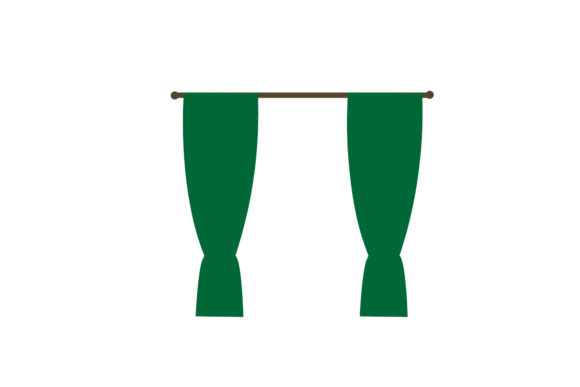
Bedroom Curtains Illustrations Vectors Review
As a professional embroidery digitizer and product reviewer, I approach every new graphic asset with a specific question: will this actually stitch out well on fabric? When evaluating Bedroom Curtains Illustrations Vectors, my focus shifts immediately from screen aesthetics to textile reality. While these files are marketed as versatile illustrations, their true value lies in how they translate into thread. Having tested similar interior-themed graphics for home decor lines, I can confirm that curtain motifs offer unique opportunities for texture play, but they also demand careful technical consideration before you commit them to a machine embroidery design.
First Impressions and Visual Mood
The initial appeal of Bedroom Curtains Illustrations Vectors is their softness. Unlike bold logos or rigid geometric patterns, curtain designs inherently suggest flow, drape, and domestic comfort. Visually, they evoke a sense of privacy and coziness that resonates deeply with customers shopping for nursery decor, bridal gifts, or boutique home goods. The layout typically features vertical lines and gentle curves, which is excellent for creating an elongating effect on finished products.
However, as an experienced designer, I look beyond the pretty preview. The 1920 px X 1280 px canvas size provided in the AI, EPS, SVG, DXF, JPG, and PNG formats offers ample resolution for tracing and digitizing. This high resolution is critical because curtain illustrations often rely on subtle shading to depict folds. In vector form, these are smooth gradients; in embroidery, they must be interpreted as distinct stitch regions. The mood is undeniably charming, but successful execution depends entirely on respecting the difference between digital art and physical stitching.
Real-World Application: The Nursery Pillow Test
To truly judge this asset, I mentally applied it to a recent client project: a custom embroidered pillow cover for a gender-neutral nursery. The client wanted something softer than animals but more interesting than plain text. Bedroom Curtains Illustrations Vectors seemed like the perfect candidate for a vintage-inspired window motif.
In this scenario, the design serves as more than just decoration; it acts as a framing element. I envisioned using a combination of running stitch for the curtain rod and tie-backs to maintain delicacy, while employing light fill stitch areas to suggest fabric volume without adding excessive bulk. For a personalized gift like this, the goal is heirloom quality. The illustration’s structure allows for easy integration of monograms or names within the "window" space, making it highly functional for Etsy seller listings or custom apparel brands focusing on cottage-core aesthetics.
When used on a tote bag or apron, the vertical orientation of curtain graphics helps utilize narrow hoop spaces efficiently. This makes the design surprisingly practical for small shop product lines where maximizing hoop real estate impacts profit margins. However, the success of such a project hinges on recognizing where the illustration excels and where it requires modification.
Technical Considerations for Stitching Success
While Bedroom Curtains Illustrations Vectors are beautiful, they present specific challenges for commercial embroidery and hobbyists alike. Curtain designs are line-heavy. If you attempt to replicate every shaded fold from the original vector using dense satin stitches, you risk creating a bulletproof patch that distorts the garment. I strongly advise treating these illustrations as inspiration rather than a direct trace-to-stitch template.
Fabric choice is paramount. These designs perform best on stable, woven fabrics like cotton canvas, linen, or quilting cotton. On stretchy knits or thin performance wear, the linear nature of curtain folds can cause tunneling or puckering if not properly stabilized. Always use appropriate stabilizer; a cut-away backing is usually necessary for apparel to support the vertical stitch paths. For textured fabrics like terry cloth or fleece, fine details in the curtain ties or valances may get lost. In those cases, simplify the embroidery file by increasing column widths or removing intricate inner lines.
Dark fabrics also require caution. Curtain illustrations often rely on negative space to define shape. On black or navy material, those open spaces disappear unless you add a background element or adjust the thread colors to provide sufficient contrast. Always test your thread colors against the actual fabric, not just a screen mockup, to ensure the drapery effect reads clearly.
Strategic Use Cases and Limitations
Understanding where to apply Bedroom Curtains Illustrations Vectors is just as important as knowing how to stitch them. These graphics shine in specific niches:
- Nursery and Baby Embroidery: Perfect for crib sheets, changing pad covers, and baby blankets where a soft, non-cartoon aesthetic is desired.
- Wedding and Bridal Goods: Ideal for ring bearer pillows, bridal party robes, or reception signage where elegance matters.
- Home Decor Accents: Excellent for tea towels, oven mitts, and decorative pillow covers.
- Digital Product Previews: The included high-res PNG and JPG files serve as outstanding printable mockup assets for listing photos before you even stitch a sample.
Conversely, exercise caution when using these for structured items like caps or curved surfaces. The vertical lines of curtains do not naturally conform to the radial distortion of a hat front. Similarly, avoid placing detailed curtain corners near seams or edges where hoop burn or registration issues might obscure the delicate linework. For holiday embroidery, these vectors work beautifully as backgrounds for seasonal sayings, but ensure the stitch density doesn't overwhelm lightweight holiday stockings or ornaments.
Designer Notes for Professional Results
Before adding Bedroom Curtains Illustrations Vectors to your commercial library or starting a new handmade product line, follow these practical steps to protect your reputation and materials:
- Verify Licensing: Confirm whether your purchase includes rights for selling finished embroidered items versus digital files. This distinction is vital for craft business compliance.
- Test Stitch First: Never run a new design directly on a sellable item. Stitch on scrap fabric of identical weight and weave to check for pull compensation issues.
- Audit Small Details: Zoom in on the vector. Any line thinner than 1mm in the illustration may need to be converted to a running stitch or removed entirely to prevent needle breaks or thread bunching.
- Check Hoop Compatibility: Ensure the aspect ratio fits your machine’s maximum field. You may need to resize or split the design for smaller hoops, which requires re-digitizing expertise.
- Mockup Realistically: Use the provided graphics to create professional previews, but clearly label them as digital representations if you haven’t stitched the final version yet. Transparency builds buyer trust.
Ultimately, Bedroom Curtains Illustrations Vectors represent a sophisticated category of design assets. They bridge the gap between interior design trends and textile arts, offering makers a chance to create products that feel curated and intentional. Whether you are an Etsy seller looking for fresh nursery themes or a hobbyist personalizing a guest room, these illustrations provide a strong foundation. Just remember that in embroidery, simplicity often stitches better than complexity. Treat the vector as a blueprint, respect the physics of thread, and your finished projects will carry the same warmth and elegance as the original artwork.