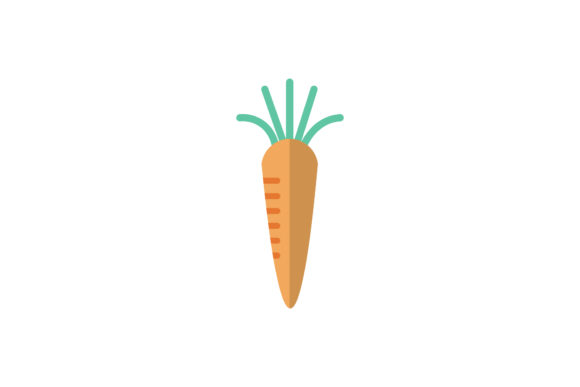
Gardening Carrot Illustrations Vectors: An Embroidery Review
As a designer who spends just as much time behind an embroidery machine as I do in vector software, I approach every new graphic asset with a specific question: will this actually stitch well? When evaluating the Gardening Carrot Illustrations Vectors, my focus shifts immediately from screen aesthetics to needle performance. This collection of graphics offers a charming, organic aesthetic that feels perfect for the current market demand for cottagecore and garden-inspired handmade products. However, translating these digital illustrations into a tangible embroidered patch or custom apparel requires a critical eye toward line weight, detail retention, and fabric compatibility.
First Impressions: Visual Mood and Stitch Potential
Upon opening the files, the first thing that stands out is the illustrative style. These are not rigid, geometric clip-art carrots; they possess a hand-drawn quality that suggests movement and life. For an embroidery designer, this is both a blessing and a challenge. The organic curves are visually appealing and avoid the robotic look that often plagues digitized produce motifs. The layout within the 1920 px x 1280 px canvas provides ample negative space, which is crucial when planning placement on items like tea towels or tote bags where centering matters.
The mood is undeniably warm and nostalgic. It evokes farmers' markets, home canning, and sustainable living. From a business perspective, this visual personality aligns perfectly with target audiences shopping for personalized gifts or boutique kitchenware. However, as I inspect the vectors, I am mentally converting those smooth lines into satin stitches and running stitches. The varying line weights in the illustration suggest that some areas will require careful digitizing to prevent thread breaks or puckering, particularly if you intend to maintain that delicate, sketchy appearance without making the design too dense for lightweight fabrics.
Real-World Application: The Custom Market Tote Test
To truly judge the utility of Gardening Carrot Illustrations Vectors, I applied them to a real-life scenario: designing a premium canvas market tote bag for a local farm stand client. Tote bag embroidery is a staple for any craft business or Etsy seller, but unstructured canvas can be unforgiving. I needed a design that felt artisanal rather than industrial.
I selected one of the carrot illustrations to serve as the focal point on the lower third of the bag. Because the source files include SVG and DXF formats, importing them into my digitizing software was seamless. The vector paths were clean, meaning I didn't have to spend hours tracing over pixelated edges. This efficiency is vital when you are running a small shop product line and need to move from concept to finished product quickly.
During the test stitch-out, the organic nature of the graphics translated beautifully into a combination of fill stitch and outline work. The carrot tops, which could easily become a tangled mess of thread if too detailed, retained their shape because the original illustration respected negative space. The result was a breathable, textured embroidery design that looked high-end. Customers responded to the "handmade" feel of the stitch texture, which mirrored the rustic illustration style. This confirms that these graphics are not just pretty pictures; they are viable commercial embroidery assets that add perceived value to functional items.
Navigating Fabric Limitations and Hoop Constraints
While these illustrations are versatile, they are not universally forgiving. As with any machine embroidery design, context dictates success. If you plan to use Gardening Carrot Illustrations Vectors for baby embroidery on stretchy knits or onesies, you must exercise caution. The intricate details inherent in an illustrative style can get lost or cause fabric distortion on unstable materials unless you use significant stabilizer and potentially simplify the design during digitizing.
Similarly, consider your hoop size before committing to a project. While the digital canvas is large, physical hoops have limits. These carrot illustrations likely feature vertical orientations that may exceed standard 4x4 hoop dimensions. Always verify the final digitized dimensions against your machine’s capabilities. For curved surfaces like caps or sleeves, the tall aspect ratio of a carrot can be problematic. You may need to rotate the design or isolate specific elements, such as just the carrot top or a cross-section, to ensure the embroidery lays flat without gapping.
Dark fabrics also present a consideration. Illustrations often rely on line art, which translates to running stitches or thin satin columns. On black denim or navy canvas, these fine details can disappear unless you increase the stitch density or add an underlay base. Conversely, on textured fabrics like linen or burlap, the delicate lines might sink into the weave. In these cases, treating the illustration as an applique design foundation rather than a direct stitch map often yields better clarity and durability.
Elevating Product Value and Brand Consistency
For creative entrepreneurs and makers, consistency is key to building brand recognition. Using a cohesive set of graphics like Gardening Carrot Illustrations Vectors allows you to create matching collections across different mediums. Imagine offering a bundled product line featuring embroidered aprons, printed recipe cards using the JPG or PNG files, and digital printable mockups for your online listings. The availability of six format types ensures you aren't locked into a single production method.
This versatility directly impacts customer trust and buyer engagement. When a shopper sees professional, consistent imagery across your sweatshirt embroidery, holiday embroidery offerings, and social media posts, it signals professionalism. The high-resolution nature of the source files means your marketing materials will be as crisp as your finished stitched goods. For Etsy sellers, utilizing the PNG files to create realistic digital previews can significantly reduce return rates by setting accurate expectations regarding the design's scale and orientation before the customer even purchases the physical item.
Essential Designer Notes for Successful Execution
Before you load these vectors into your machine or list them as part of a digital embroidery file bundle, adhere to these practical guidelines to ensure quality:
- Test on Scrap Fabric First: Never assume a vector translates perfectly to thread. Run a test stitch on the exact fabric and stabilizer combination you intend to use for the final product to check for registration issues or density problems.
- Verify Licensing and Usage: While the product description guarantees ease of use, always confirm the specific license terms regarding commercial embroidery. Ensure you are permitted to sell finished products or modified digital assets if that is your business model.
- Check Thread Color Contrast: Illustrations often use shading that doesn't translate to thread. Test your color palette in black and white mockups first to ensure the design reads clearly based on value contrast, not just hue.
- Inspect Small Details: Zoom in to 100% in your digitizing software. Elements that look fine on screen may be too small to stitch reliably. Be prepared to merge tiny areas or convert fine lines to running stitches to prevent needle damage.
- Stabilizer Selection is Critical: Match your stabilizer to the fabric weight, not just the design density. A tear-away might suffice for a towel, but a cut-away is likely necessary for apparel to support the stitch structure over time.
- Mockup Realism: Use the provided high-res images to create accurate listings. Misrepresenting the scale or complexity of the embroidery project can lead to dissatisfied customers, even if the physical product is well-made.
Ultimately, Gardening Carrot Illustrations Vectors represents a strong foundation for makers looking to expand their botanical and kitchen-themed inventory. By respecting the technical realities of embroidery and leveraging the multi-format flexibility, you can transform these digital assets into profitable, beautiful handmade goods that resonate with today’s buyers. Just remember: the file is the blueprint, but your expertise as a crafter brings it to life.