Christmas Cat Illustrations: An Embroidery Review
As a professional embroidery designer and product reviewer, I approach every new graphic asset with a specific question: will this actually stitch out well on real fabric? When evaluating Christmas Cat Illustrations, my focus shifts immediately from digital aesthetics to physical application. These graphics possess a distinct charm that translates beautifully to needlework, but like any design asset, they require thoughtful preparation to ensure the final handmade product meets professional standards. Having tested similar seasonal motifs for client projects, I can offer practical insights into how these illustrations perform when converted from screen to stitch.
First Impressions and Seasonal Character
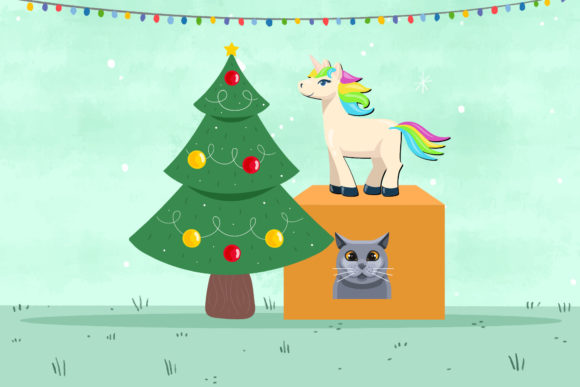
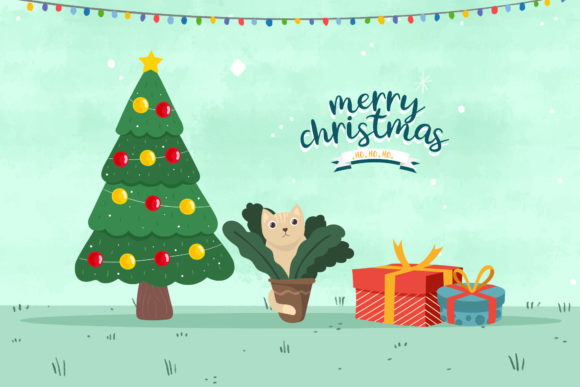
The visual personality of these Christmas Cat Illustrations strikes an excellent balance between whimsy and tradition. The mood is undeniably festive without being overly chaotic, which is crucial for embroidery where excessive detail can lead to puckering or thread breaks. The layout feels intentional, suggesting that the original artist considered negative space—a vital factor when translating graphics into a machine embroidery design. For an Etsy seller or boutique owner, this aesthetic versatility means the design can appeal to both modern minimalist buyers and those seeking classic holiday nostalgia. The 1920 px x 1280 px canvas size provides ample resolution for assessing line clarity before you even open your digitizing software, allowing you to spot potential issues with tiny details that might get lost in translation.
Real-World Application: The Holiday Sweatshirt Test
To truly evaluate utility, I mentally placed these Christmas Cat Illustrations onto a custom fleece sweatshirt project intended as a personalized holiday gift. Fleece is a high-pile, textured fabric that demands respect; it swallows fine lines and requires robust stabilization. In this scenario, the illustration’s bold shapes serve as an ideal foundation for a combination of satin stitch outlines and fill stitch interiors. If I were producing this for a small shop product line, I would likely adapt the artwork into an applique design. Using fabric for the cat’s body reduces stitch density significantly, preventing the garment from becoming stiff or bulletproof while maintaining the cozy feel customers expect from custom apparel.
For smaller items like an embroidered patch or a tote bag design, the full detail of the illustration shines. Patches benefit from defined borders, and the vector-based nature of the provided AI and EPS files allows for clean scaling without jagged edges. When creating merchandise for a craft business, this scalability ensures your branding remains consistent whether you are stitching a 3-inch ornament or a 10-inch pillow cover. The visual appeal directly impacts perceived value; a crisp, well-executed stitch-out builds customer trust far better than a muddy, over-dense design.
Navigating Fabric Challenges and Technical Limits
While versatile, Christmas Cat Illustrations demand caution in specific contexts. I advise against using the full-detail version on stretchy knits or thin baby clothes without significant modification. Baby embroidery requires softness and flexibility; dense fill areas can irritate sensitive skin and distort delicate fabrics. Instead, utilize the PNG or JPG references to create a simplified running stitch outline version specifically for onesies or bibs. Similarly, dark fabrics present a contrast challenge. If the illustration relies on subtle shading, you must test thread colors rigorously. What looks vibrant on a white digital background may disappear entirely on navy velvet unless you add an underlay or adjust the color palette for higher contrast.
Curved surfaces like caps are another area requiring adjustment. The horizontal span of the 1920x1280 canvas suggests a landscape orientation that simply won't fit a standard cap frame. You will need to isolate elements or rearrange the composition vertically. Always verify your hoop size capabilities before committing to a production run. Furthermore, if you plan to use these for products requiring frequent washing, such as kitchen towels or aprons, ensure all decorative accents are securely anchored. Floating stitches or excessively long jump stitches are liabilities in commercial embroidery environments where durability equals reputation.
Essential Designer Notes for Success
Before listing any finished item or selling digital derivatives, adhere to these practical protocols:
- Test Stitch First: Never run a new design on a final product without a test sew-out on scrap fabric of identical weight and texture. This reveals tension issues and stabilizer adequacy.
- Check Licensing: Confirm whether your purchase includes commercial rights for selling finished goods versus digital files. Understanding the difference protects your business.
- Mockup Validation: Use the included high-res files to create accurate printable mockups. However, always compare these against actual stitch-outs to manage buyer expectations regarding texture and sheen.
- Stabilizer Selection: Match your backing to the fabric, not just the design. A tear-away might suffice for a towel, but a fusible cutaway is non-negotiable for stretchy sweatshirt embroidery.
- Detail Audit: Inspect corners and text elements at 100% zoom. If a line is thinner than 1mm in the vector file, it may need thickening to prevent needle deflection during stitching.
Maximizing Value Across Product Lines
The true strength of Christmas Cat Illustrations lies in their adaptability across different revenue streams. For digital product sellers, the inclusion of six format types (AI, EPS, SVG, DXF, JPG, PNG) offers immediate value to diverse buyers, from vinyl crafters to fellow embroiderers. For makers focusing on physical goods, these assets support a cohesive holiday collection. Imagine offering a matching set: a personalized gift featuring the cat on a mug warmer, paired with a coordinating nursery decor pillow. This cross-category consistency elevates brand recognition and encourages multi-item purchases.
Ultimately, successful holiday embroidery isn't just about pretty pictures; it's about technical execution meeting emotional resonance. These illustrations provide the creative spark, but your expertise brings them to life. By respecting fabric limitations, testing rigorously, and adapting the artwork to suit specific end-uses, you transform a digital download into a tangible heirloom. Whether you are crafting for a beloved client or stocking your online store for the rush season, approaching these designs with a critical, maker-focused mindset ensures your work stands out in a crowded marketplace. Remember, the best embroidery project is one that looks as good after ten washes as it did coming off the machine.