Easter Illustrations: A Designer’s Embroidery Review
When evaluating digital assets for real-world production, the gap between a pretty screen image and a successful stitched product can be vast. As a designer who regularly tests graphics for embroidery applications, I approached these Easter Illustrations with a critical eye toward manufacturability and commercial appeal. These are not merely seasonal clip art; they are versatile graphics that require thoughtful translation into thread. My initial assessment focuses on how the visual weight and composition of these illustrations will hold up when converted from pixels to stitches, specifically for small business owners and makers planning their spring inventory.
First Impressions and Seasonal Mood
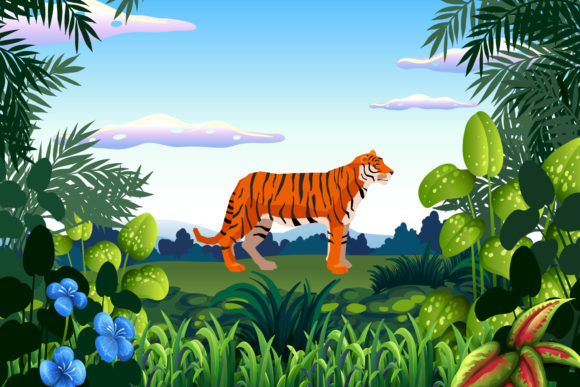
The immediate strength of this collection lies in its balanced composition. At 1920 px by 1280 px, the canvas size provides ample resolution for digitizing without pixelation artifacts. Visually, the illustrations strike a tone that is festive yet refined, avoiding the overly cartoonish aesthetic that often limits the marketability of holiday goods. This maturity in design makes them suitable for a broader demographic, from nursery decor to adult apparel. For an embroidery project, this means the artwork has enough negative space to prevent stitch density issues while maintaining clear, recognizable motifs. The lines appear clean, suggesting they could translate well into both running stitch outlines and satin stitch borders, provided the digitizer respects the original artistic intent.
Real-World Application: The Custom Tote Bag Test
To truly judge the utility of these Easter Illustrations, I mentally prototyped a specific scenario: creating a premium canvas tote bag for a boutique spring collection. Tote bags are a staple for Etsy sellers and craft businesses because they offer a large, flat stitching area that showcases detail. In this context, I envision using the central motif as a focal point, surrounded by smaller accent elements from the set.
For a handmade product like this, the graphic needs to communicate quality instantly. If I were digitizing this for a tote bag design, I would prioritize open fill stitches over dense tatami fills to maintain the fabric's natural drape. Heavy, dense stitching on canvas can create a bulletproof patch effect that warps the bag and feels unprofessional. Because these illustrations have distinct shapes, they are excellent candidates for an applique design approach. Using fabric pieces for the larger color blocks within the illustration reduces stitch count significantly while adding a tactile, high-end texture that customers associate with custom apparel and artisanal goods. This application method also allows for faster production times, which is crucial for small shop product turnover during the busy holiday season.
Navigating Fabric Limitations and Hoop Constraints
While the versatility of these graphics is a major asset, practical experience dictates caution when applying them to challenging substrates. Not every Easter Illustration will perform equally across all materials. When working with stretchy fabrics like jersey knits for sweatshirt embroidery or baby clothes, the complexity of the illustration must be managed carefully. Intricate details that look crisp on screen can become muddy on unstable fabric if the underlay and stabilizer choices are incorrect.
I advise testing these designs on scrap fabric before committing to a finished product, especially if you are working with textured linens or dark fabrics where contrast is key. For baby embroidery items, safety and comfort are paramount; therefore, avoid placing dense stitch areas directly against skin. You may need to simplify parts of the illustration or use a lighter stitch density to ensure the garment remains soft. Additionally, consider your hoop size limitations. While the source files are large, your machine’s maximum embroidery area might require resizing. Always verify that scaling down does not cause tiny lettering or delicate details to merge, rendering them illegible after stitching.
Commercial Viability for Makers and Sellers
For creative entrepreneurs and Etsy sellers, time is money, and asset flexibility is essential. The inclusion of six format types—AI, EPS, SVG, DXF, JPG, and PNG—is a significant advantage for commercial embroidery workflows. The vector formats (AI, EPS, SVG) are particularly valuable for those who digitize their own machine embroidery designs, as they allow for precise node editing and color separation without quality loss. The raster formats (JPG, PNG) serve an equally important purpose: creating professional printable mockups.
Before you even thread a needle, you can use these high-resolution graphics to create digital product previews for your online listings. Buyers respond better to polished visuals, and having consistent design assets helps build brand recognition and customer trust. Whether you are selling physical embroidered patches or digital embroidery files, the ability to present the artwork professionally across multiple platforms enhances perceived value. However, always confirm licensing terms before selling finished items or distributing modified digital products to ensure your business remains compliant.
Essential Technical Notes for Successful Stitching
Transitioning from graphic to textile requires technical diligence. Here are my practical recommendations for getting the best results with these Easter Illustrations:
- Verify Stitch Density: Do not assume the auto-digitize function will handle these illustrations perfectly. Manually adjust stitch density based on fabric weight to prevent puckering or needle breaks.
- Test Thread Colors: Screen colors rarely match thread charts exactly. Create a physical color run sheet to select thread colors that complement each other and the base fabric.
- Stabilizer Selection: Match your stabilizer to the fabric texture and design complexity. Cut-away stabilizers are generally safer for apparel, while tear-away may suffice for stable tote bags.
- Check Small Details: Inspect corners and tight curves in your embroidery software. Add pull compensation to prevent gaps in satin stitch columns after washing.
- Mockup Validation: Use the provided PNG and JPG files to test black and white contrast. If the design relies solely on color differentiation without line work, it may fail on monochrome displays or in low-light photography.
- Wash Testing: If producing holiday gifts or kitchen towels intended for frequent use, wash-test a sample to ensure the stitch integrity holds up against abrasion and heat.
Final Thoughts on Design Integrity
These Easter Illustrations offer a strong foundation for spring collections, balancing aesthetic charm with functional adaptability. They possess the visual personality needed to stand out in a saturated market while remaining simple enough for efficient production. Success ultimately depends on the maker’s willingness to respect the relationship between digital art and physical thread. By treating these graphics as a starting point rather than a final destination, and by applying rigorous testing protocols, embroiderers can transform these files into heirloom-quality personalized gifts and profitable commercial products. Remember that the guarantee mentioned by the provider covers the file delivery, but the quality of the stitched outcome rests on your technical execution and material choices.