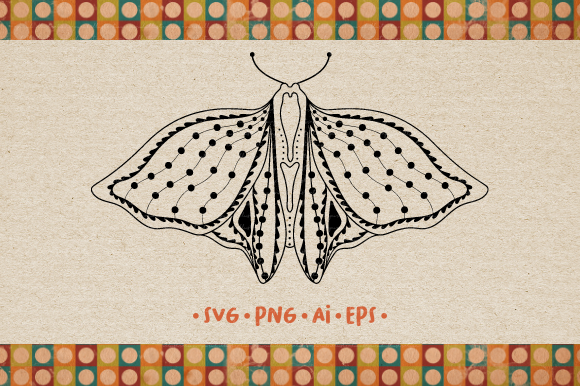
Butterfly SVG Line Art: An Embroidery Review
As a professional embroidery designer and product reviewer, I approach every new digital asset with a specific question: will this actually stitch out beautifully on fabric? When evaluating Butterfly SVG Line Art Illustrations, my focus shifts immediately from screen aesthetics to needle performance. Line art is deceptively simple; it lacks the safety net of dense fill stitches to hide imperfections, meaning every path must be intentional. After reviewing the included SVG, PNG, AI, and EPS files, I see significant potential for this design in both personal crafting and commercial production, provided you understand how to translate these vector lines into a successful machine embroidery design.
First Impressions and Design Personality
The visual mood of these Butterfly SVG Line Art Illustrations is elegant, airy, and versatile. Unlike heavy, traditional butterfly designs that rely on solid satin columns or complex shading, this graphic embraces negative space. The lines suggest movement and delicacy rather than rigid symmetry. For an Etsy seller or boutique owner, this aesthetic aligns perfectly with current trends favoring minimalist, botanical, and organic motifs. The transparent background and 300 DPI resolution ensure that whether you are creating a printable mockup for your shop listing or preparing a physical sample, the source quality supports professional presentation.
However, as graphics intended for stitch, line art demands respect. The open nature of the illustration means there is nowhere for tension issues or poor digitizing to hide. This design feels best suited for projects where the fabric itself contributes to the beauty of the piece, such as natural linens or high-quality cottons, rather than serving as a standalone badge on heavy denim.
Real-World Application: The Custom Tote Bag Test
To truly evaluate this asset, I mentally placed it in a real-life scenario: creating a custom embroidered tote bag for a spring market collection. A tote bag design needs to be durable yet visually light enough to match the casual utility of the item. These butterfly illustrations work exceptionally well here because they do not add unnecessary weight or stiffness to the canvas.
In this context, I would utilize the SVG file to create a single-needle running stitch or a lightweight double-stroke effect. The result is a sophisticated, sketch-like appearance that appeals to customers looking for artisanal handmade products. Because the design is not overly dense, production time is reduced, which directly impacts profit margins for a craft business. Furthermore, the clean lines photograph beautifully for social media, helping drive buyer engagement without needing excessive styling. If you are planning sweatshirt embroidery or baby embroidery, this same openness prevents the garment from becoming stiff or uncomfortable against the skin, a common complaint with poorly chosen machine embroidery files.
Critical Considerations for Fabric and Hoop Size
While versatile, Butterfly SVG Line Art Illustrations require careful placement. Line art does not perform well on highly textured fabrics like terry cloth or thick fleece unless you modify the stitch width significantly. The delicate lines can get lost in the pile. Similarly, stretchy knits present a challenge; without adequate stabilization, thin running stitches can cause tunneling or fabric distortion. For custom apparel on jersey or ribbed materials, I strongly recommend testing on scrap fabric first and using a cut-away stabilizer to maintain the integrity of the line work.
Hoop size selection is equally vital. While the vector file is scalable, embroidery physics are not. Scaling this design down too small for a cap or pocket logo may result in thread breaks or illegible details, as the minimum stitch length for reliable line art has physical limits. Conversely, scaling it up too large without adjusting stitch parameters can lead to long, snag-prone jumps. Always verify your specific machine’s capabilities and the digitized file’s constraints before committing to a finished product. For curved surfaces like caps, ensure the design flows with the crown's contour rather than fighting against it.
Enhancing Product Value and Brand Consistency
Using high-quality illustrations like this set elevates the perceived value of your merchandise. Customers associate crisp, intentional stitching with professionalism. When a butterfly line art motif stitches out cleanly on a pillow cover or apron, it signals attention to detail. This builds trust, especially for sellers offering personalized gifts or wedding items where sentimentality meets craftsmanship.
From a branding perspective, having access to the AI and EPS versions allows for cohesive design assets across your business. You can use the exact same butterfly motif on your packaging stickers, website headers, and the actual embroidered patch or garment tag. This consistency reinforces brand recognition. For digital product sellers, the inclusion of multiple file formats ensures compatibility for buyers who might want to use the graphics for sublimation or vinyl alongside their commercial embroidery projects.
Practical Designer Notes for Success
Before you hoop your first project with these Butterfly SVG Line Art Illustrations, consider these practical steps to ensure success:
- Verify Stitch Conversion: Remember that an SVG is a vector graphic, not a native embroidery file. Unless you have already digitized this into a DST, PES, or JEF format, you must convert it using embroidery software. Do not assume the SVG will auto-digitize perfectly for line art; manual adjustment of stitch angles and tie-ins is often necessary for professional results.
- Test Thread Contrast: Line art relies entirely on contrast. Test the design in black and white mockups and on actual fabric scraps. A light grey thread on white fabric may disappear in photos, whereas a charcoal or navy thread will pop. Check thread colors against both light and dark backgrounds to ensure visibility.
- Stabilizer Selection: For woven fabrics, a tear-away may suffice, but for any knit or stretch material used in holiday embroidery or daily wear, use a no-show cut-away. The goal is to keep the fabric stable so the line remains straight and true.
- Licensing Check: Before selling finished items or the digital file itself, confirm the specific license terms included in the zipped folder. Ensure you have the right to use these graphics for small shop products or mass production if that is your business model.
- Density Inspection: If digitizing yourself, avoid excessive underlay for line art. Too much foundation stitching will make the design bulky. A simple center run or edge walk is usually sufficient for this style of applique design alternative.
Final Verdict for Makers and Sellers
Butterfly SVG Line Art Illustrations represent a valuable addition to the library of any serious embroiderer or creative entrepreneur. They offer a refreshing departure from dense, heavy designs, providing opportunities for faster production and modern aesthetics. Whether you are creating a personalized gift for a client, stocking your Etsy shop with spring apparel, or designing nursery decor, this artwork provides a solid foundation.
Success lies in respecting the medium. Treat the line art not just as a picture, but as a map for your needle. By paying attention to fabric texture, stabilization, and proper digitization techniques, you can transform these digital vectors into tangible, high-value goods that resonate with customers. Always test, always verify your file compatibility, and let the simplicity of the line guide your creative process. With the right execution, this butterfly design can become a staple in your repertoire of profitable and beautiful embroidery projects.