Lemon Citrus Line Art: An Embroidery Review
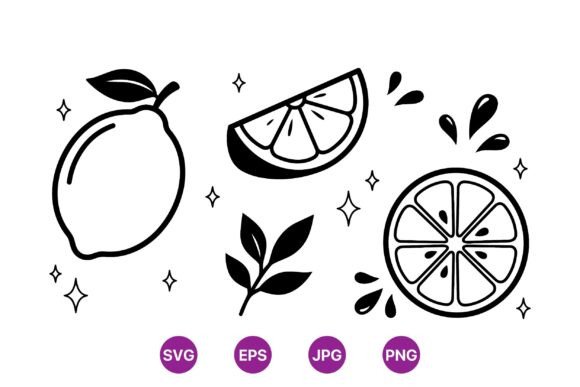
As a designer who spends more time behind an embroidery machine than a computer screen, I approach every new graphic asset with a healthy dose of skepticism. We have all downloaded beautiful vector art that looks stunning on a monitor but turns into a thread-bird’s nest or a stiff, bulletproof patch once stitched out. When I first opened the ZIP file for the Lemon Citrus Line Art Illustrations, I wasn't looking for digital perfection; I was looking for stitchability. This collection of minimalist black and white lemon fruit, sliced wedges, juice drops, and leafy branch icons immediately caught my eye, not because it was complex, but because it respected the limitations and strengths of thread.
First Impressions: Clean Lines for Real Fabric
The visual personality of these illustrations is undeniably fresh. The clean, simple style suggests a modern aesthetic that avoids the cluttered, over-digitized look that plagues many citrus-themed graphics. For an embroidery project, this minimalism is a massive advantage. The line art relies on confident strokes rather than dense shading, which translates beautifully to running stitches and lightweight satin stitches. When evaluating this as a potential machine embroidery design, the open space between the elements is just as important as the lines themselves. It allows the fabric texture to breathe, preventing the design from becoming too heavy for lighter garments.
I particularly appreciate the inclusion of isolated elements like the juice drops and individual leaves. In commercial embroidery and custom apparel, we rarely use a full illustration exactly as provided. Having these modular components means I can create a scattered pattern on a tote bag design or place a single wedge on a shirt collar without having to manually edit the embroidery file myself. This flexibility is crucial for Etsy sellers and small shop owners who need to adapt design assets quickly for personalized gifts.
The Tote Bag Test: A Real-World Application
To truly judge the viability of these Lemon Citrus Line Art Illustrations, I mentally mapped them onto a current client request: a set of reusable canvas market bags for a local organic grocer. Canvas is a textured, somewhat unforgiving fabric. Highly detailed fill stitches often get lost in the weave, while overly dense satin stitches can cause puckering.
This is where the minimalist vector style shines. Because the artwork focuses on crisp outlines, it is ideally suited for a heavier weight running stitch or a narrow satin column. On a natural canvas tote bag design, the black thread against the unbleached fabric creates a high-contrast, artisanal look that feels expensive yet accessible. The leafy branch icons would work exceptionally well as a repeating border along the bottom hem, while the whole lemon fruit could serve as a central focal point. Unlike complex applique designs that require precise fabric placement and trimming, this line art style reduces production time and margin for error, making it a reliable choice for batch production in a craft business.
Where These Graphics Shine in Production
Beyond tote bags, these illustrations have strong potential across various categories. For baby embroidery, the simplicity is key. Infants' clothing requires designs that are soft against the skin. The lack of dense fill stitch areas means the back of the embroidery will be smoother and less irritating. A single lemon wedge on a onesie pocket or a scattering of tiny leaves on a bib offers a gender-neutral, vintage-inspired nursery decor vibe that is currently trending in handmade markets.
For apparel decorators working on sweatshirt embroidery or custom t-shirts, the scalable nature of line art is a benefit. You can resize these graphics significantly without losing clarity, provided you adjust your stitch parameters. A large, bold lemon outline on the back of a crewneck sweatshirt reads as modern streetwear, while a small, delicate branch on a cuff feels like boutique branding. The versatility allows creative entrepreneurs to build a cohesive collection using the same digital embroidery file set, maintaining brand consistency across different finished products.
Navigating Technical Challenges and Fabric Choices
However, no design is without its constraints. While the Lemon Citrus Line Art Illustrations are versatile, they demand respect for fabric physics. Line art relies entirely on precision; there is no dense fill to hide registration shifts or tension issues. If you are stitching on stretchy knit fabrics, you must use adequate stabilizer. A cut-away stabilizer is non-negotiable for sweatshirts or tees to prevent the clean lines from warping after washing. On dark fabrics, remember that these are designed as black and white vectors. Stitching white line art on navy blue requires careful density checks to ensure the thread coverage is opaque enough to pop without becoming stiff.
I would also advise caution when using these on highly textured surfaces like terry cloth towels or plush blankets without a water-soluble topping. The fine details of the juice drops and thin stems can easily sink into the pile, rendering the design invisible. Furthermore, if you plan to incorporate text alongside these illustrations, ensure the font weight matches the line weight of the lemons. Pairing these delicate graphics with a heavy, blocky font can create a visual imbalance that detracts from the professional finish of the handmade product.
Designer Notes for Successful Stitch-Outs
Before you commit these graphics to a commercial embroidery run or a precious personalized gift, take these practical steps to ensure success:
- Verify File Specifications: The product description mentions a ZIP download of vector graphics. Always confirm whether the package includes pre-digitized embroidery files (like .DST, .PES, or .JEF) or if you are receiving raw vector art (.AI, .EPS, .SVG) that requires manual digitizing. Never assume a graphic is stitch-ready without checking.
- Test Stitch Density: Even if the file is pre-digitized, run a test on scrap fabric identical to your final project. Check if the running stitches are long enough to prevent perforation or if the satin stitches are wide enough to cover cleanly.
- Evaluate Contrast: Print a black and white mockup or view the design in grayscale on your screen. If the details disappear in monochrome, they may lack sufficient contrast when stitched in a single color thread.
- Check Licensing: For Etsy sellers and small business owners, verify the license terms included in the download. Confirm whether you can sell physical embroidered items, digital printable mockups, or both. Protecting your business starts with respecting intellectual property.
- Hoop Size Matters: Select the smallest hoop size that comfortably fits the design. Excess empty space in a large hoop increases the risk of fabric shifting, which is fatal for crisp line art.
Final Verdict on Value and Appeal
Ultimately, the value of the Lemon Citrus Line Art Illustrations lies in their restraint. In a market saturated with overly complicated, cartoonish fruit designs, this clean, sophisticated aesthetic stands out. It signals quality to the buyer. Whether you are creating holiday embroidery for summer weddings, stocking your shop with fresh kitchen linens, or designing custom patches for a cafe, these graphics offer a timeless foundation.
They bridge the gap between digital art and tactile craft effectively. For the maker, they reduce technical headaches associated with dense designs. For the customer, they offer a polished, intentional look that elevates the perceived value of the finished product. Just remember that minimalism exposes flaws as much as it highlights beauty; prepare your materials carefully, respect the stitch type, and these illustrations will serve as a reliable staple in your embroidery design library.